Have A Jukebox For Sale?
National Jukebox Exchange Wants to Buy Your Machine!
Buying Machines Anywhere in the US!
Call Now • 888-321-7272
We Buy Jukeboxes Anywhere in the USA!
National Jukebox Exchange buys, sells, restores and repairs all types of vintage and antique coin operated machines including jukeboxes, penny arcade devices, and vending machines. Furthermore, we also offer Free Jukebox Appraisal for any Jukebox.
For 30 years, National Jukebox Exchange has been providing museum quality restorations to advanced collectors all over the world. The highly developed skills of John Papa and his team of craftsmen have been featured in museums, TV shows, movies and collections of the stars. Having won more restoration awards than any other individual or business, as a result, pieces restored by John typically command 20-40% more than other restorers by comparison.
Jukebox Sales
Looking for a vintage jukebox for sale?
We always have some in stock. Looking for a new CD Jukebox? National Jukebox Exchange is an authorized Rock-Ola dealer. Looking to sell a jukebox? We are interested in buying them in any condition whenever we can.
Jukebox Appraisal
Need a Jukebox Appraisal?
We provide your jukebox value, free!
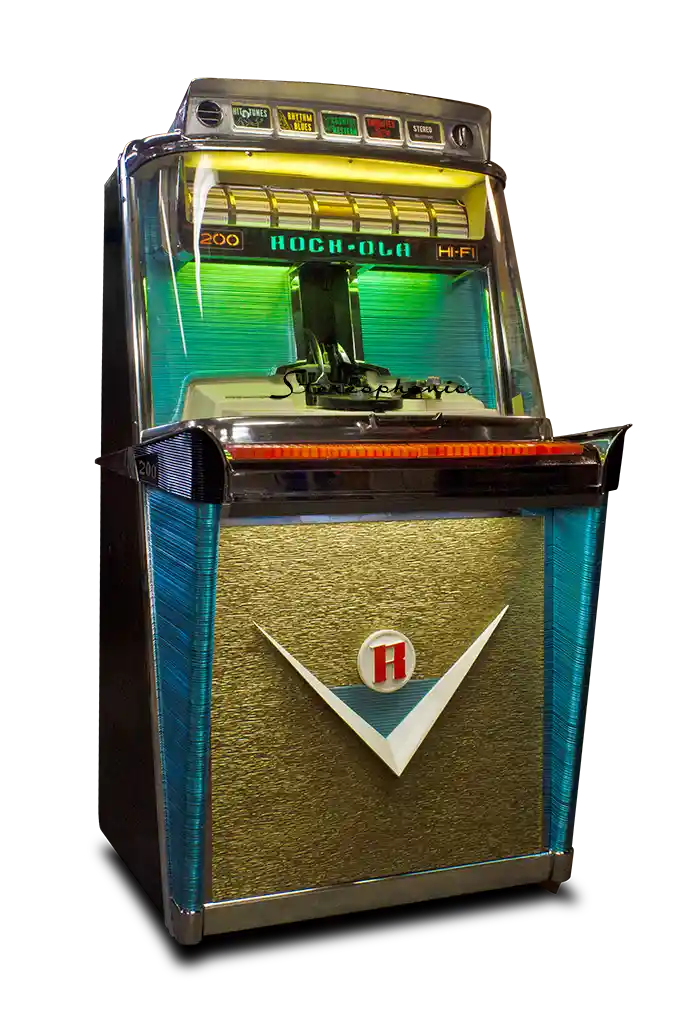
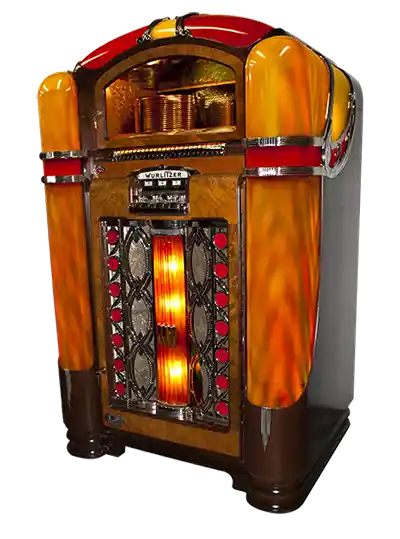
Presently we are offering FREE Jukebox Appraisal! Have a vintage Wurlitzer Jukebox or a Rock-Ola Jukebox? If interested in your machine, NJE will make you the strongest offer on the market, straightaway.
Fill out our jukebox appraisal form here. Sell your jukebox.
Email Now • johnpapa1080@gmail.com
“The Wurlitzer Model 1015” Soft cover Book By Michael Papa
Learn the Story Behind the Most Iconic Jukebox Ever Made.
Another specialty we have, sponsored by National Jukebox Exchange, this is a complete book on the most iconic jukebox ever made, the Wurlitzer 1015. 2nd Edition also made possible by National Jukebox Exchange.
190 pages of history, pictures, Illustrations and even a flip book bubble tube animation, certainly exciting!
View Our Catalog of New Rock-Ola Jukeboxes
We are an Authorized Dealer of New Rock-Ola Jukeboxes
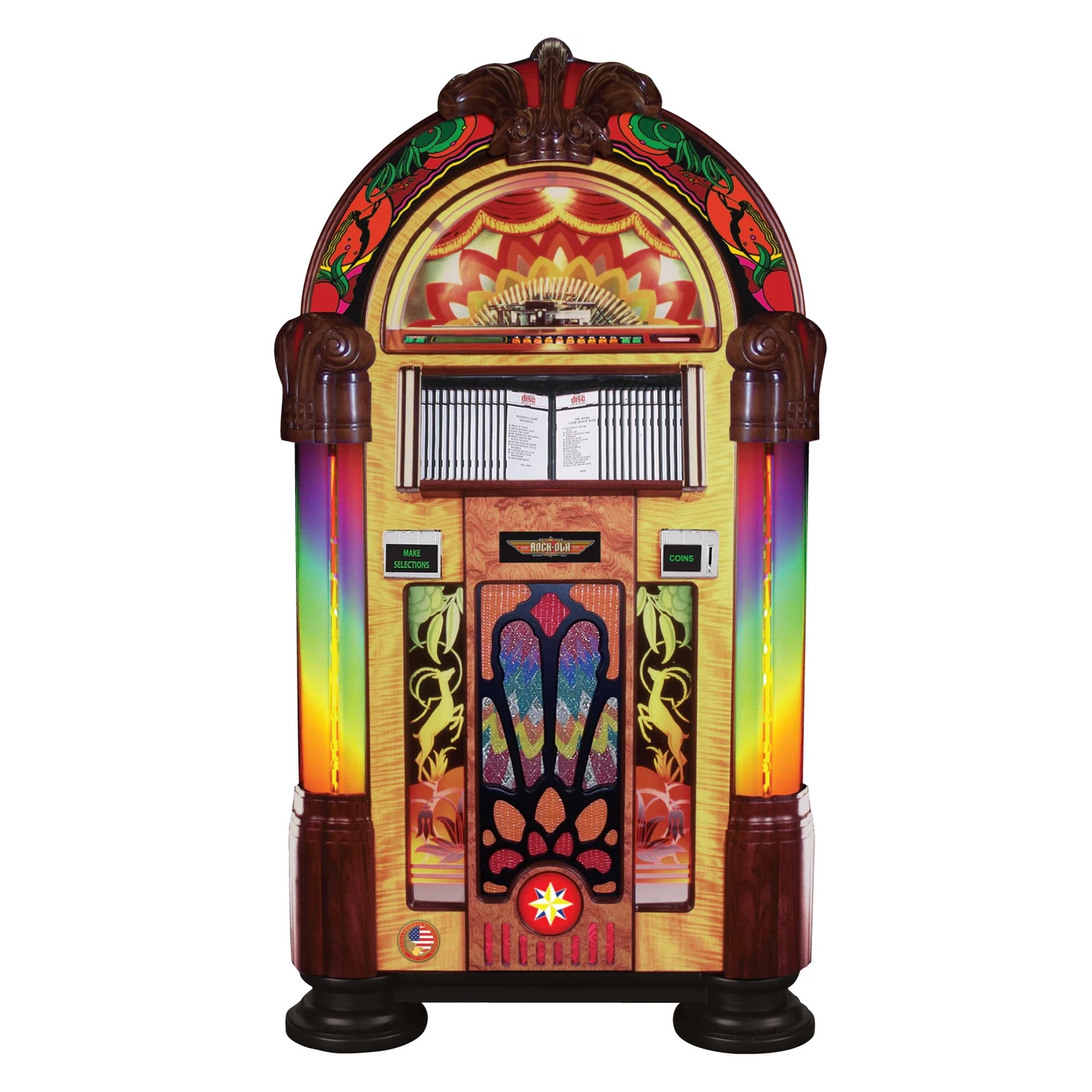
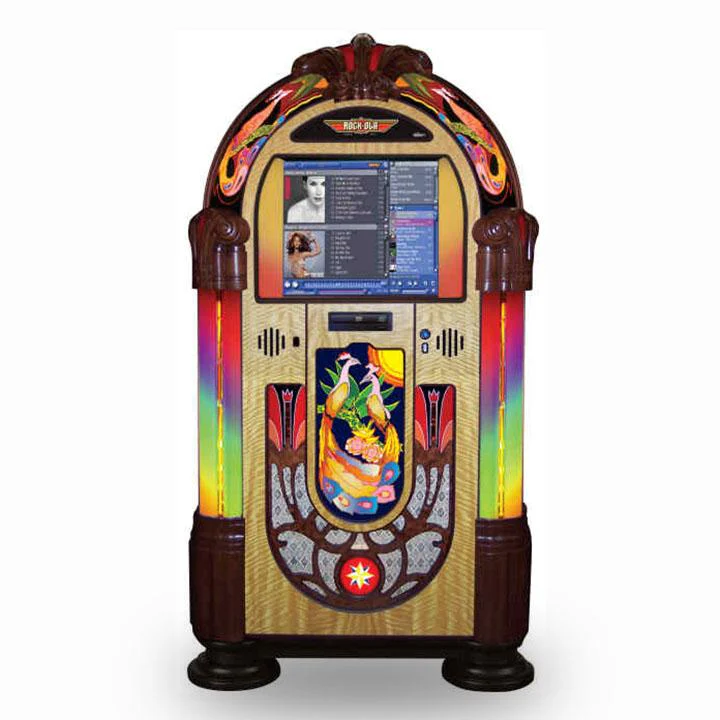
We offer a large selection of new Rockola Jukeboxes for sale. Call National Jukebox Exchange if you are interested in a new CD Jukebox. Contact us for any information including pricing and delivery.
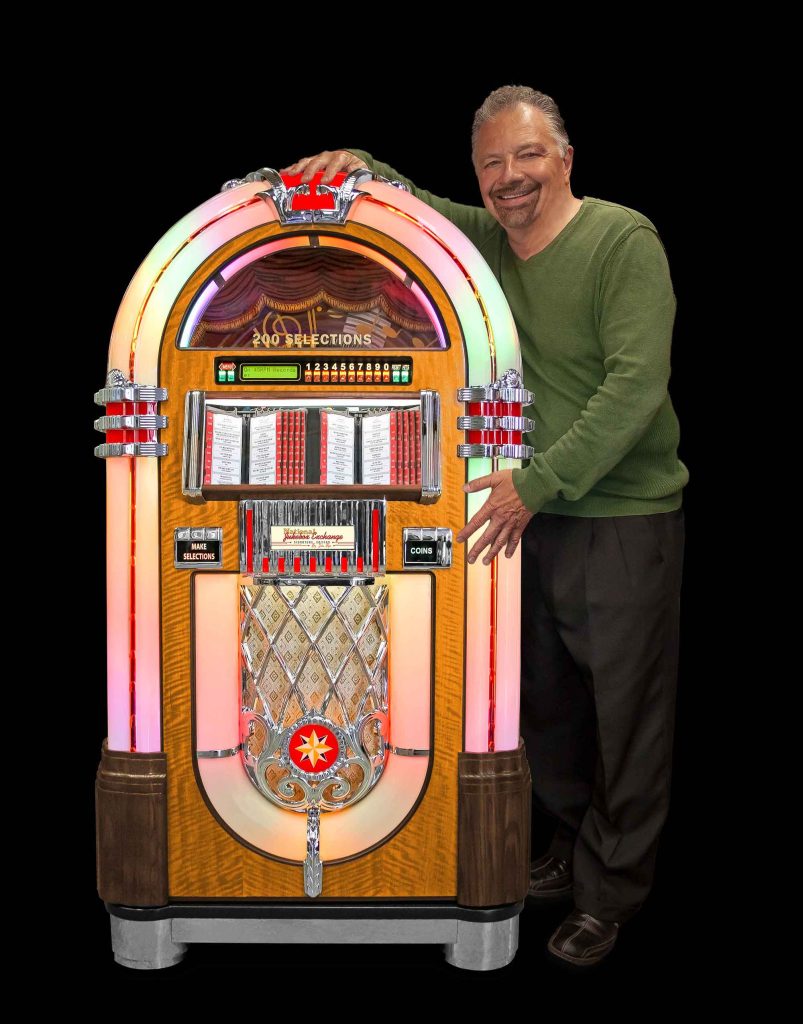
Furthermore, check out the John Papa Signature Edition Rock-Ola Jukebox!
Visit Arcade Treasures to View Our Re-Creation Work
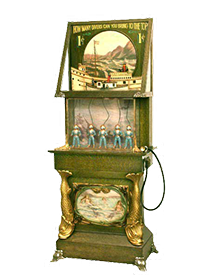
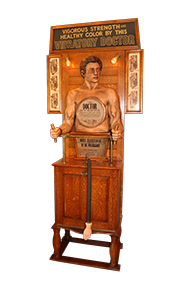
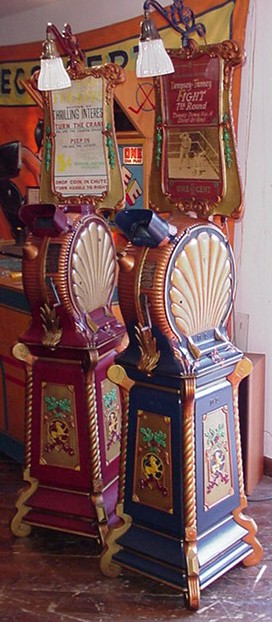
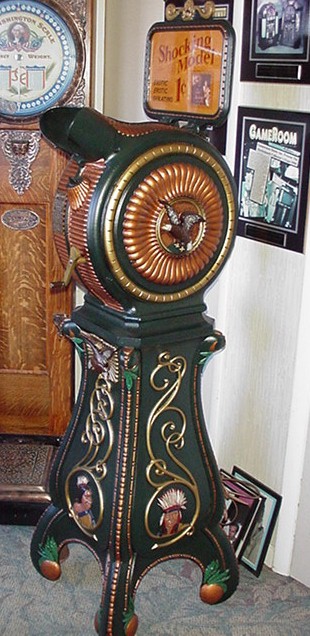
Arcade Treasures is a subsidiary company of National Jukebox Exchange that focuses on making Re-Creations of extremely rare Penny Arcade Machines made during the early 1900s. In fact, we have built over 100 Re-Creations over the course of 25 years. Take some time to view the re-creation work at Arcade Treasures and view our projects in detail.
We Want to Buy Your Mutoscope!
Sell Your Mutoscope Viewers
National Jukebox Exchange is of course looking to buy any Mutoscope viewing machine for sale! If you have any mutoscopes or reels for sale, then please email or call John Papa at 518-774-5131 or johnpapa1080@gmail.com or submit to our appraisal form here!
Secondly, are you looking for a Mutoscope Marquee Card for your reel? In this case, we offer custom designed Mutoscope Marquee Cards.
Have A Sideshow Banner For Sale?
Sell Your Sideshow Banners
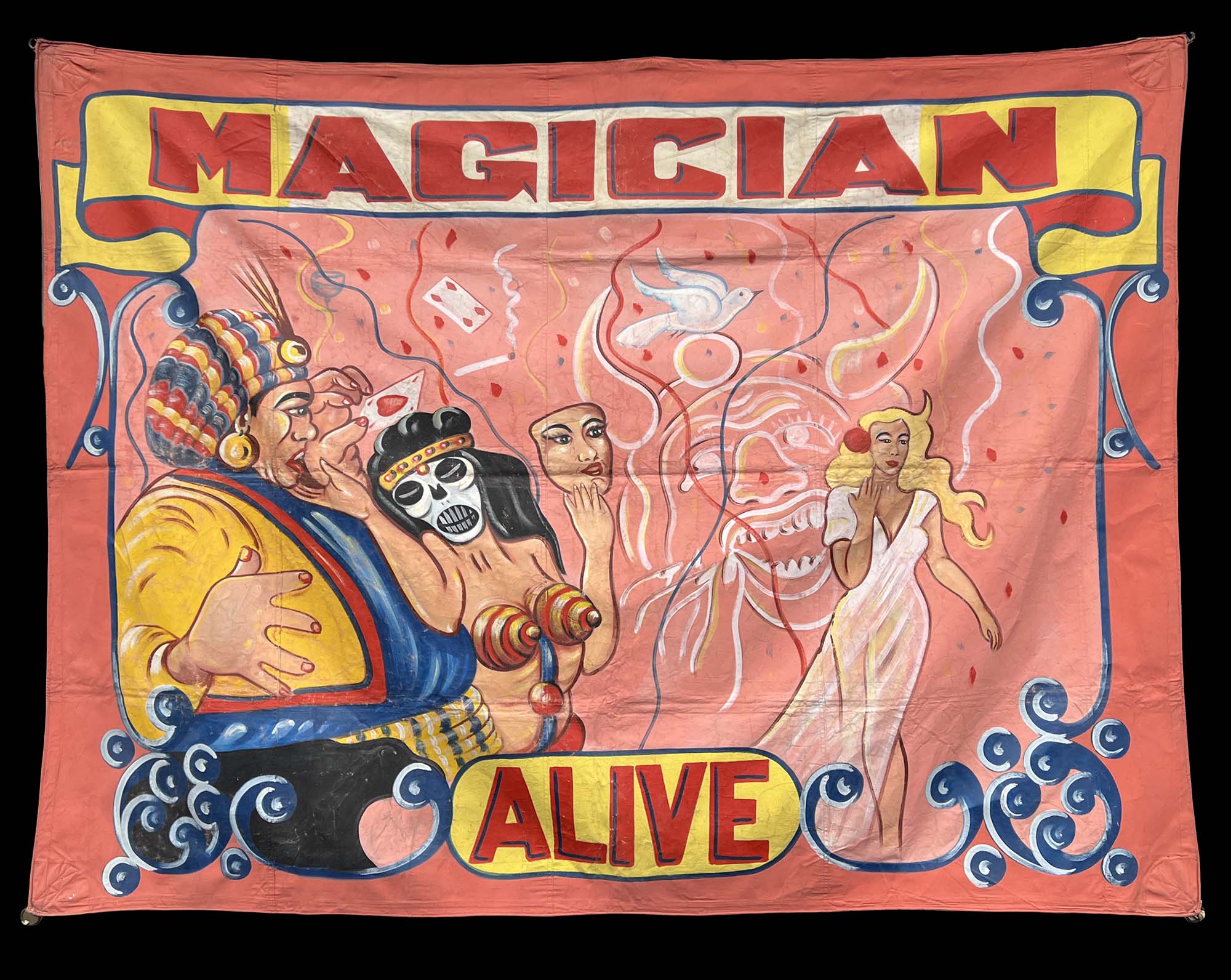
Not only are we interested in Jukeboxes, but also Sideshow Banners! If you have a banner for sale, then visit our partner site, The Sideshow Banner Exchange to have your banner appraised! We are always looking for Sideshow Banners for sale, but also usually have a few in stock, if you are looking for one.
Articles by National Jukebox Exchange
- Wurlitzer History
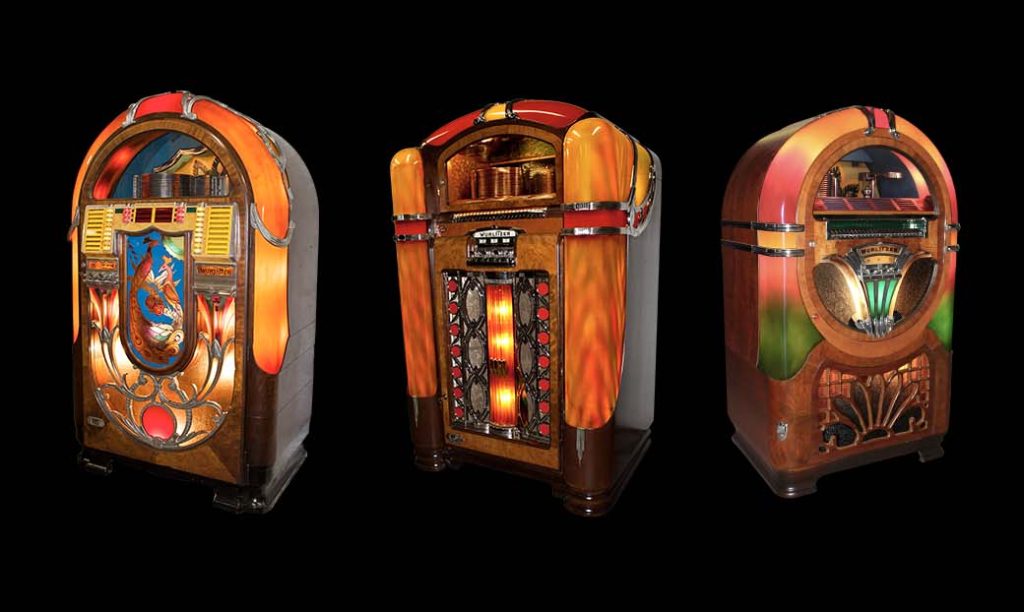
 Articles by John Papa Jukebox History The Wurlitzer family started buying and selling musical items in Saxony as far back as 1659. Rudolph…
 - Welcome to National Jukebox Exchange
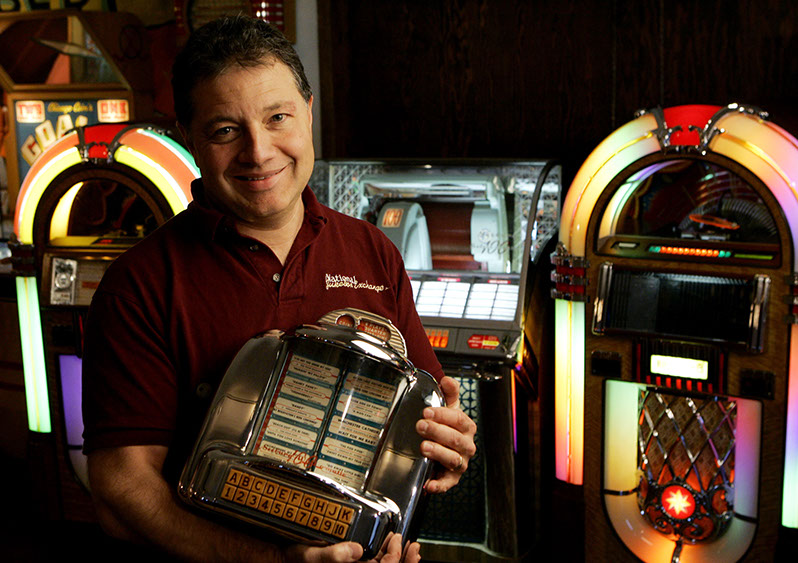
 Opening in 1988, John Papa founded National Jukebox (NJE) out of passion for the beauty and history of these rare machines. Almost 40…
 - The Wurlitzer Model 1015 | Written by Michael Papa
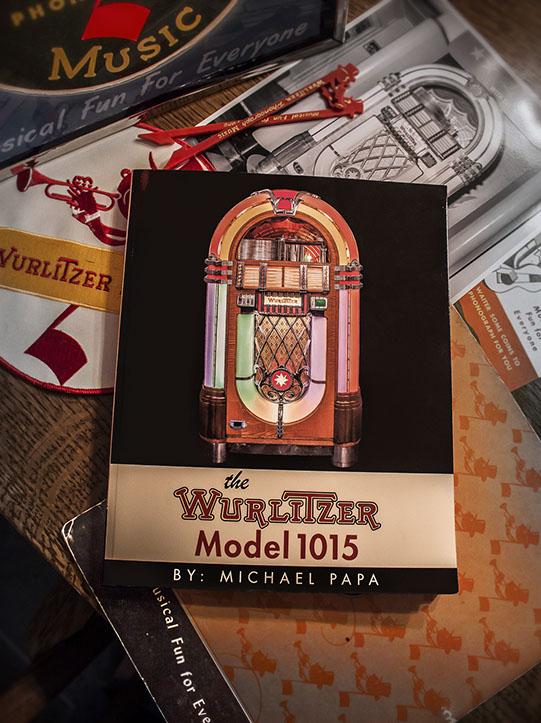
 Articles by Michael Papa Soft Cover Book 2ND EDITION AVAILABLE HERE The story of how the Wurlitzer 1015 became the most iconic jukebox ever…